We have compiled a list of manufacturers, distributors, product information, reference prices, and rankings for Pre-paint treatment.
ipros is IPROS GMS IPROS One of the largest technical database sites in Japan that collects information on.

Pre-paint treatment - List of Manufacturers, Suppliers, Companies and Products | IPROS GMS

Pre-paint treatment Product List

1~7 item / All 7 items

Displayed results

PPC service

Because we have done the painting! We can meet all quality, performance, and budget requirements.

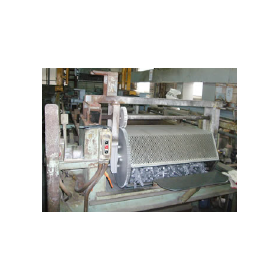
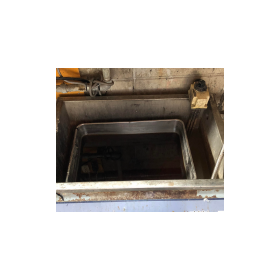
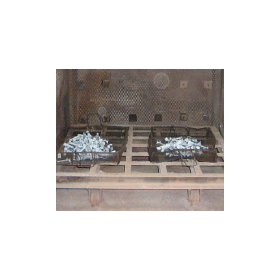
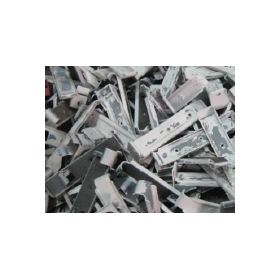
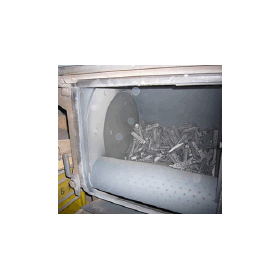
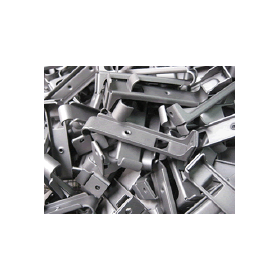
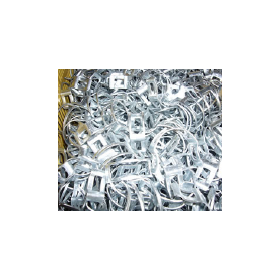
"PPC" refers to a service that means Peeling, Paint, and Cleaning. We offer proposals for pretreatment and paint stripping. In pretreatment, we perform zinc phosphate treatment in barrels, accommodating mass production of iron products in palm-sized units, ranging from 1,000 to 10,000 pieces. We contribute to addressing challenges such as searching for subcontractors due to the lack of in-house facilities. For stripping, we carry out chemical treatment with ultrasound and stripping solution, heating treatment with micro-heaters, and polishing treatment with blast equipment. This removes paint accumulated on in-house jigs, leading to cost reduction. Please feel free to contact us when you need our services. 【Processing Methods】 ■ Zinc phosphate treatment in barrels ■ Chemical treatment with ultrasound and stripping solution ■ Heating treatment with micro-heaters ■ Polishing treatment with blast equipment *For more details, please download the PDF or feel free to contact us.

  • ?PPC 画像2.png
  • ?PPC 画像3.png
  • ?PPC 画像4.png
  • ?PPC 画像5.png
  • ?PPC 画像6.png
  • ?PPC 画像7.png
  • ?PPC 画像8.png
  • Surface treatment contract service
  • Pre-paint treatment

Added to bookmarks

Bookmarks list

Bookmark has been removed

Bookmarks list

You can't add any more bookmarks

By registering as a member, you can increase the number of bookmarks you can save and organize them with labels.

Free membership registration

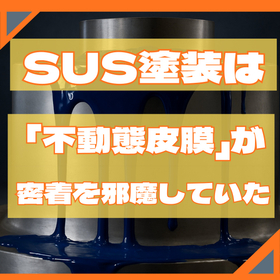
The SUS coating was hindered by the "passivation film" from adhering properly.

Explanation of measures against poor adhesion and peeling due to the unique passive film of stainless steel.

Stainless steel has high corrosion resistance, but it is a material that is difficult for paint to adhere to. There are cases where the passive film on the surface repels the coating. Sandblasting or a special primer may be required. Pre-treatment specifically for stainless steel is important. We also provide detailed examples of improvements in publicly available materials.

  • others
  • Pre-paint treatment

Added to bookmarks

Bookmarks list

Bookmark has been removed

Bookmarks list

You can't add any more bookmarks

By registering as a member, you can increase the number of bookmarks you can save and organize them with labels.

Free membership registration

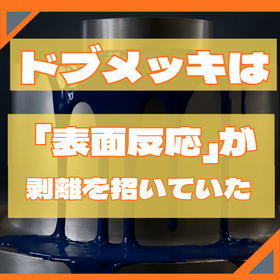
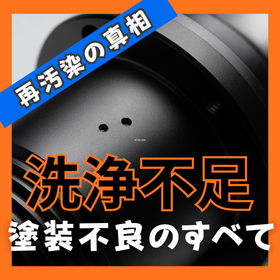
Aluminum die casting coating's pre-treatment was everything for quality.

The quality of the pre-treatment greatly affects adhesion. What processes should be checked before the paint and equipment?

In aluminum die casting painting, it is not an exaggeration to say that the pre-treatment determines the quality. No matter how high-performance the paint used is, if the pre-treatment is insufficient, it can lead to poor adhesion and paint film peeling. One often overlooked factor is the specific contaminants of the material. Aluminum die casting tends to retain release agents and processing oils, and if painting is done without adequate degreasing, the paint film will not adhere properly. Additionally, the oxide film can also cause a decrease in adhesion. Furthermore, in baked coatings, heating to around 180°C can cause internal gases to expand, potentially leading to blisters and pinholes. Therefore, gas countermeasures during the pre-treatment stage are also important. On-site, there is often a tendency to focus solely on the painting process, but many issues arise before painting. By properly performing degreasing, surface adjustment, and chemical treatment, adhesion and durability can be improved. To stabilize quality, it is necessary to manage not only the painting conditions but the entire pre-treatment process. We have published materials summarizing cases where improvements were made by reviewing the pre-treatment process. If you have similar challenges, please refer to them.

  • others
  • Pre-paint treatment

Added to bookmarks

Bookmarks list

Bookmark has been removed

Bookmarks list

You can't add any more bookmarks

By registering as a member, you can increase the number of bookmarks you can save and organize them with labels.

Free membership registration

Change the surface to one that allows paint to "adhere" | Pre-treatment for painting using atmospheric pressure plasma.

Atmospheric pressure plasma pre-treatment for coating

To maximize the performance of coatings, surface preparation (surface modification) is essential. Our atmospheric pressure plasma equipment modifies the surface of materials in a non-contact manner at atmospheric pressure, significantly improving the adhesion, durability, and uniformity of coatings. It accommodates a wide range of materials, including resins, metals, glass, and ceramics, and realizes surface preparation that allows coatings to exhibit their inherent performance without the use of chemicals and in a non-contact manner. *The effectiveness may vary depending on the compatibility with the material and coating. To confirm the optimal effects for your products and processing targets, we conduct preliminary tests. Upon request, we can also provide on-site testing at our lab or rental services for test equipment. Please verify the reliable effects of atmospheric pressure plasma at your location.

  • Plasma surface treatment equipment
  • Pre-paint treatment

Added to bookmarks

Bookmarks list

Bookmark has been removed

Bookmarks list

You can't add any more bookmarks

By registering as a member, you can increase the number of bookmarks you can save and organize them with labels.

Free membership registration

Chromate treatment (pre-treatment for painting) .com @ Eiwa Kogei Co., Ltd.

Pre-treatment for painting aluminum (aluminum die casting) and zinc die casting, which are difficult for paint to adhere to.

When high quality and adhesion are required for the painting of aluminum (die-cast) and zinc die-cast products, we adopt "chromate treatment," which is a pre-treatment for painting aluminum (zinc). By applying "chromate treatment" to aluminum materials and zinc die-cast products, which are considered difficult for paint to adhere to, we can impart "high adhesion" and "high corrosion resistance." These non-ferrous metal materials often encounter adhesion issues during painting. It is necessary to align the required quality and painting specifications during the design phase of the painting process.

  • others
  • Pre-paint treatment

Added to bookmarks

Bookmarks list

Bookmark has been removed

Bookmarks list

You can't add any more bookmarks

By registering as a member, you can increase the number of bookmarks you can save and organize them with labels.

Free membership registration

The iron coating was causing "red rust" to peel off.

Explanation of the causes of paint peeling due to red rust and substrate corrosion of iron materials, and methods for improvement.

Many of the causes of paint peeling on iron materials are due to red rust. When surface corrosion progresses, the paint film cannot adhere properly. Even fine rust can lead to corrosion beneath the paint film. If blast treatment or rust prevention primer is omitted, peeling can occur within a few months. Proper substrate treatment is particularly important for iron materials. We also provide detailed examples of improvements in publicly available documents.

  • others
  • Pre-paint treatment

Added to bookmarks

Bookmarks list

Bookmark has been removed

Bookmarks list

You can't add any more bookmarks

By registering as a member, you can increase the number of bookmarks you can save and organize them with labels.

Free membership registration

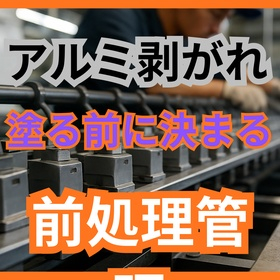
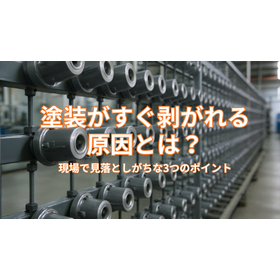
How to prevent paint peeling? All about adhesion.

Preprocessing is everything about adhesion.

This explains the key points for improving poor adhesion, insufficient pre-treatment, degreasing, and drying conditions that can cause paint to peel. The reasons for peeling occurring some time after painting are not only due to insufficient pre-treatment but also due to trace amounts of moisture and oxidation films. Adhesion can vary significantly depending on humidity and the condition of the materials. It is important to understand the reasons why results differ even with the same process and to review the process accordingly. Poor painting cannot be improved with vague measures. Our company has published case study materials on improvements. Please take a look.

  • others
  • Pre-paint treatment

Added to bookmarks

Bookmarks list

Bookmark has been removed

Bookmarks list

You can't add any more bookmarks

By registering as a member, you can increase the number of bookmarks you can save and organize them with labels.

Free membership registration